10 Aug, 2026
Building a Strong Sense of Place
A township can have well-designed buildings and carefully planned infrastructure, yet still feel incomplete without a clear sense of identity.
Creating a strong sense of place starts with understanding what makes an area distinctive.
Identity Starts With Context
Every site has its own surroundings, landscape, history, and patterns of movement. These characteristics can influence the way a township is planned and designed.
Rather than applying the same approach everywhere, developers can use the site's context as a starting point for creating a more meaningful identity.
The Details Matter
A township's character can emerge through many small decisions, including:
Landscape and planting
Street design
Public spaces
Architectural language
Signage and wayfinding
Materials and finishes
Community gathering areas
Individually, these details may seem simple. Together, they can create a consistent visual and spatial language.
Designing Spaces People Remember
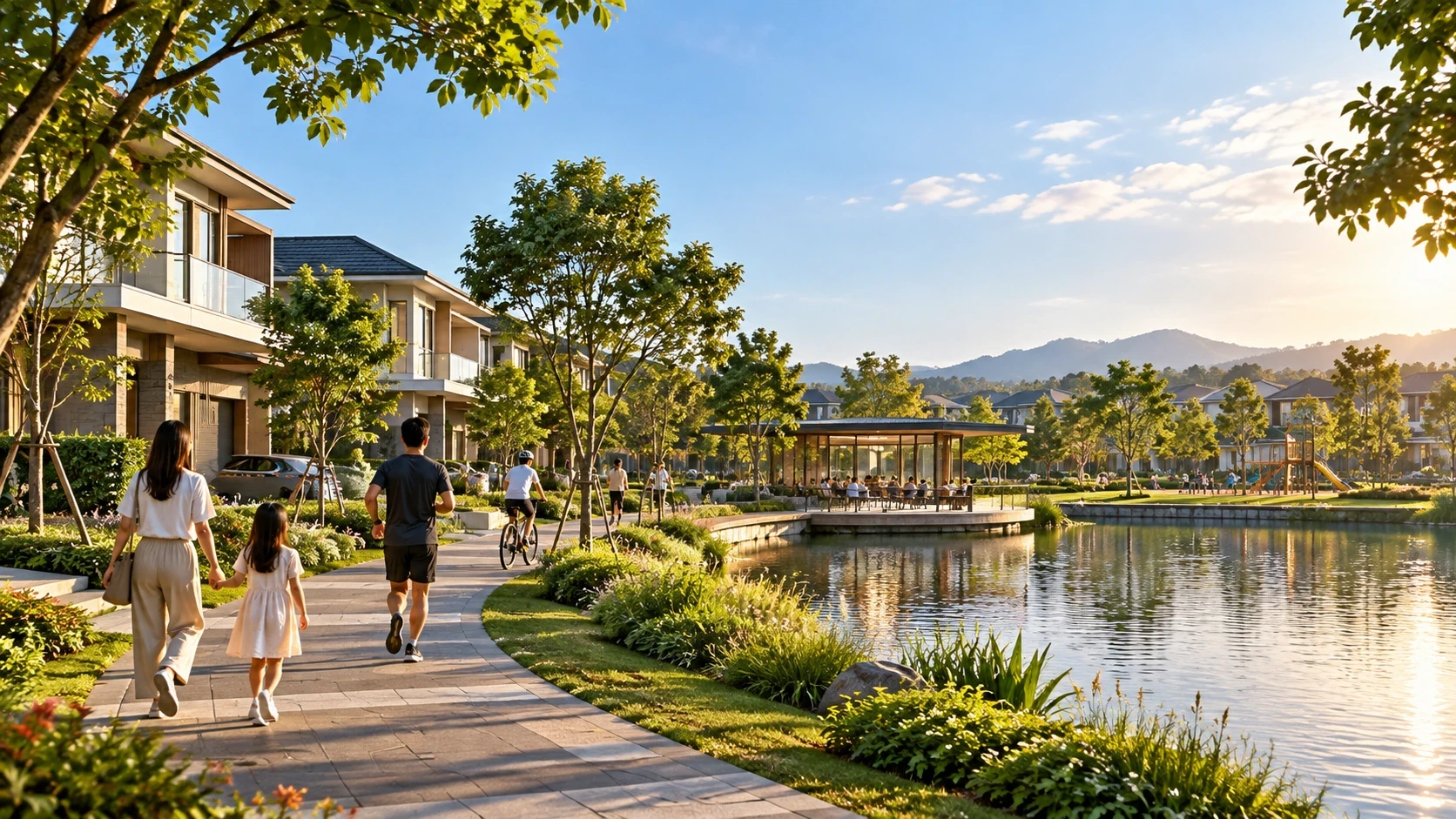
The most memorable places are often not defined by a single building. They are created by how streets, buildings, landscape, and public spaces come together.
“A sense of place comes from the relationship between people and the environment around them.”
This relationship can develop gradually as residents begin using the spaces, meeting neighbours, and creating their own routines.
Planning for Identity
A clear identity can help a township feel cohesive as it grows.
The goal is not to make every part identical, but to create enough consistency for different neighbourhoods and spaces to feel connected to the same larger place.