03 Aug, 2026
Why Walkability Matters in Township Planning
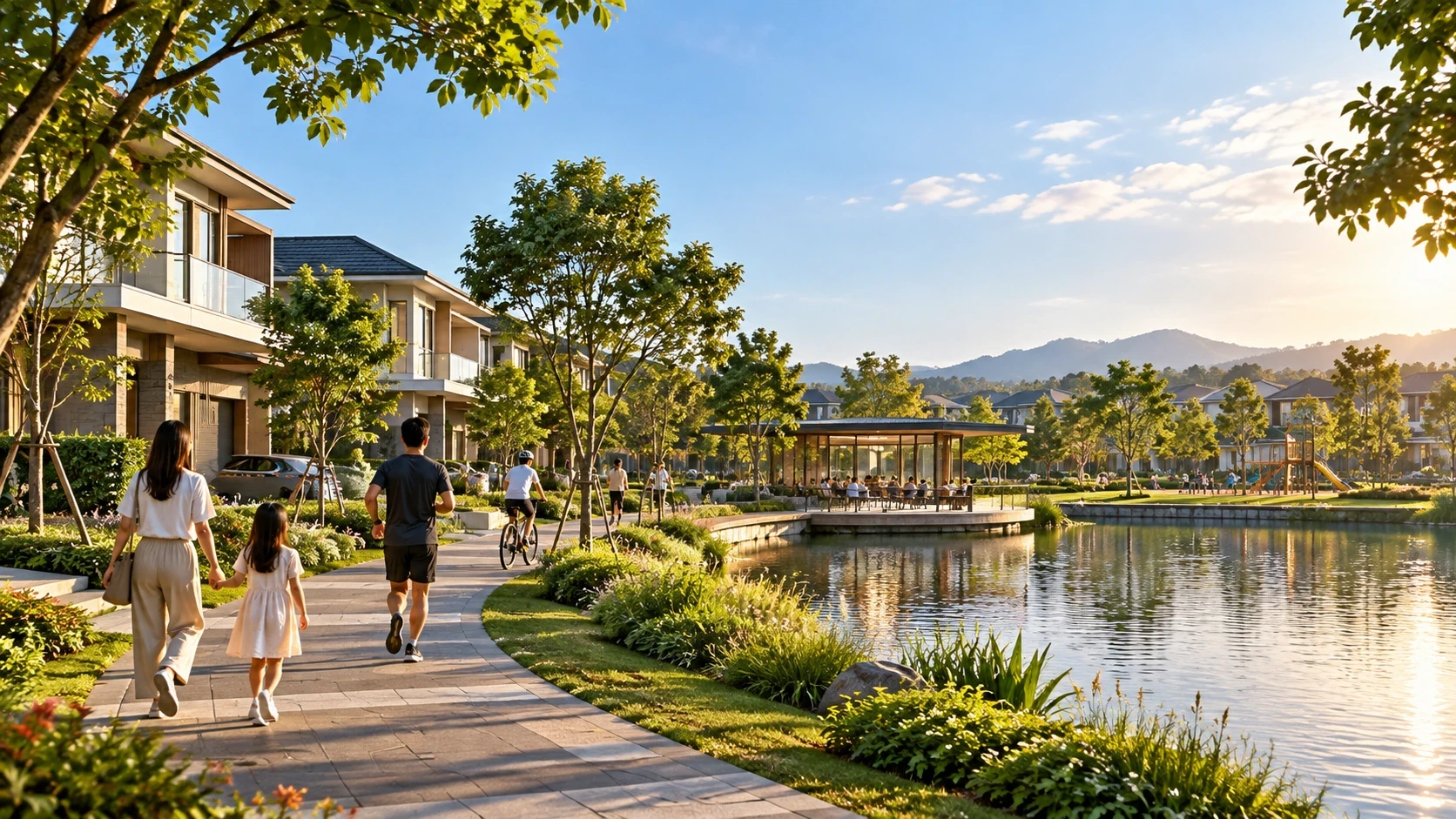
The way people move through a township can have a major influence on how they experience it. While roads are essential for vehicle access, walkable connections can make neighbourhoods feel more connected and usable.
Designing for Short Everyday Journeys
Not every journey needs to happen by car. When residential areas, green spaces, community facilities, and commercial areas are thoughtfully connected, some everyday activities can become easier to reach on foot.
This starts with planning routes that are clear, comfortable, and easy to understand.
What Supports Walkability?
A walkable environment can include:
Connected pedestrian routes
Clearly defined crossings
Shaded or landscaped pathways
Accessible public spaces
Convenient connections between key destinations
Streets designed with both vehicles and pedestrians in mind
These features work best when considered together rather than added individually.
Connecting Neighbourhoods
Walkability can also strengthen the relationship between different parts of a township.
A pedestrian route that connects a residential neighbourhood with a park, community facility, or commercial area can become part of the everyday experience of the development.
“Movement is part of how people understand a place.”
A More Connected Township
Walkability does not mean removing the role of vehicles. It means creating a more balanced movement network where different ways of getting around can coexist.
When movement is considered early in the masterplanning process, the result can be a township that feels easier to navigate and more connected for the people who use it.