02 Jul, 2026
The Role of Green Spaces in Township Development
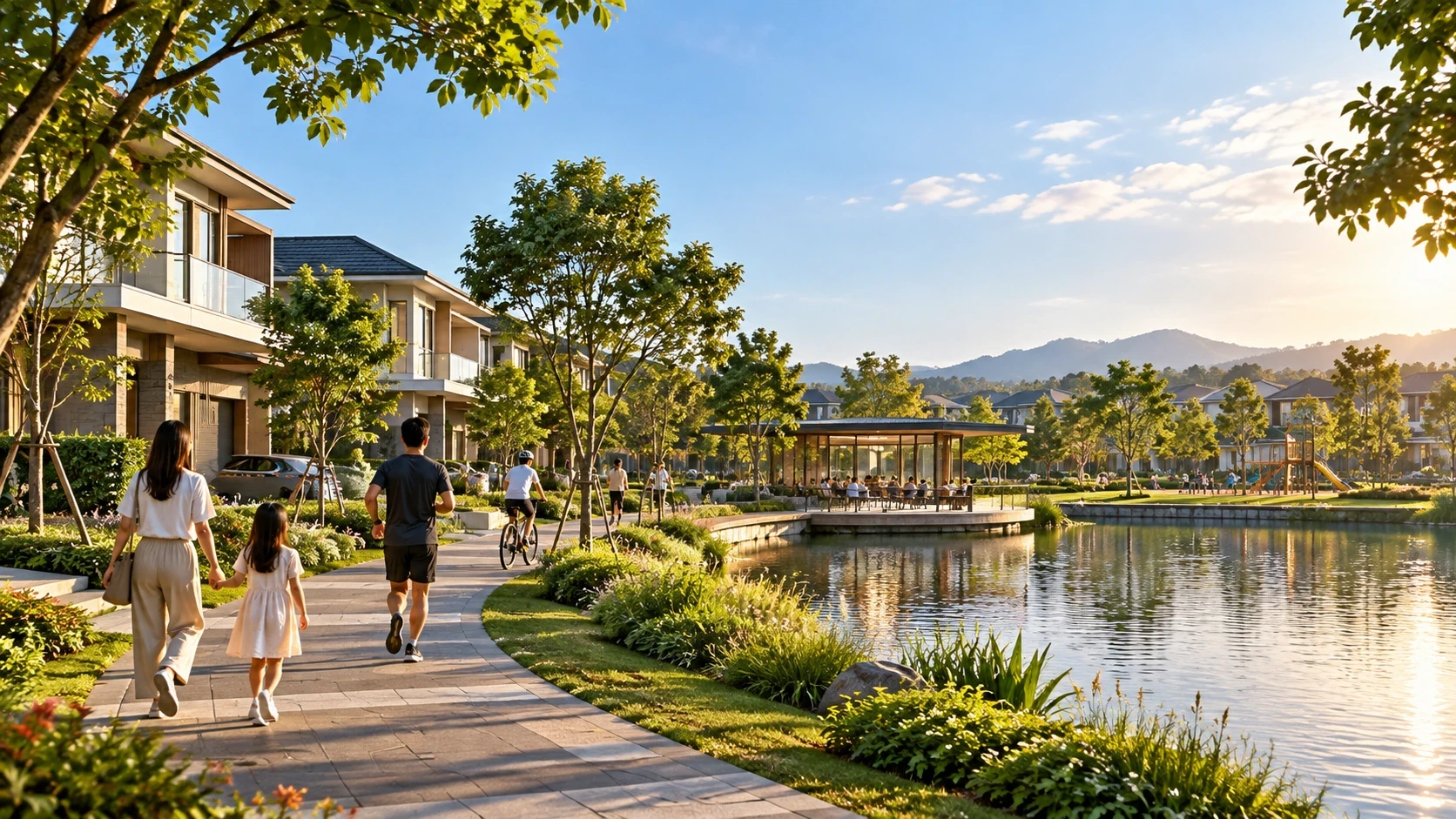
Green spaces play an important role in shaping the character of a township. They can provide places to slow down, connect with nature, gather with others, and take a break from the built environment.
More Than Just Open Space
In a masterplan, green areas should be considered as part of the overall network rather than leftover space between buildings.
Their location, size, accessibility, and relationship with surrounding areas can influence how residents experience the township.
Designing Spaces for Different Needs
Different types of green spaces can serve different purposes.
These may include:
Landscaped areas along streets
Pocket parks within residential neighbourhoods
Larger community parks
Walking and outdoor recreation areas
Shaded gathering spaces
Green corridors connecting different parts of the township
Each space can contribute to a different part of everyday life.
Connecting People and Places
Green spaces can also help connect different areas within a development. A thoughtfully planned landscape network can create visual continuity while providing residents with more opportunities to move through the township on foot.
“Good landscape planning is not only about what you see. It is also about how a place feels and how people use it.”
A Long-Term Consideration
Landscape planning should work alongside architecture, infrastructure, and community planning from the beginning.
When green spaces are integrated into the masterplan rather than added as an afterthought, they can become an important part of the township's identity and everyday experience.